
Ash Content
What ash content means in charcoal, why inert mineral residue matters to buyers, and how it is generally measured under public standards such as ASTM D1762 and ISO 18122.
Charcoal Hub · Testing
Plain-language methodology for the parameters that appear on charcoal test certificates — what each one measures, how it is generally measured under public standards, and how to read it as a buyer. This site publishes methodology only: real, attributable test reports are data pending.
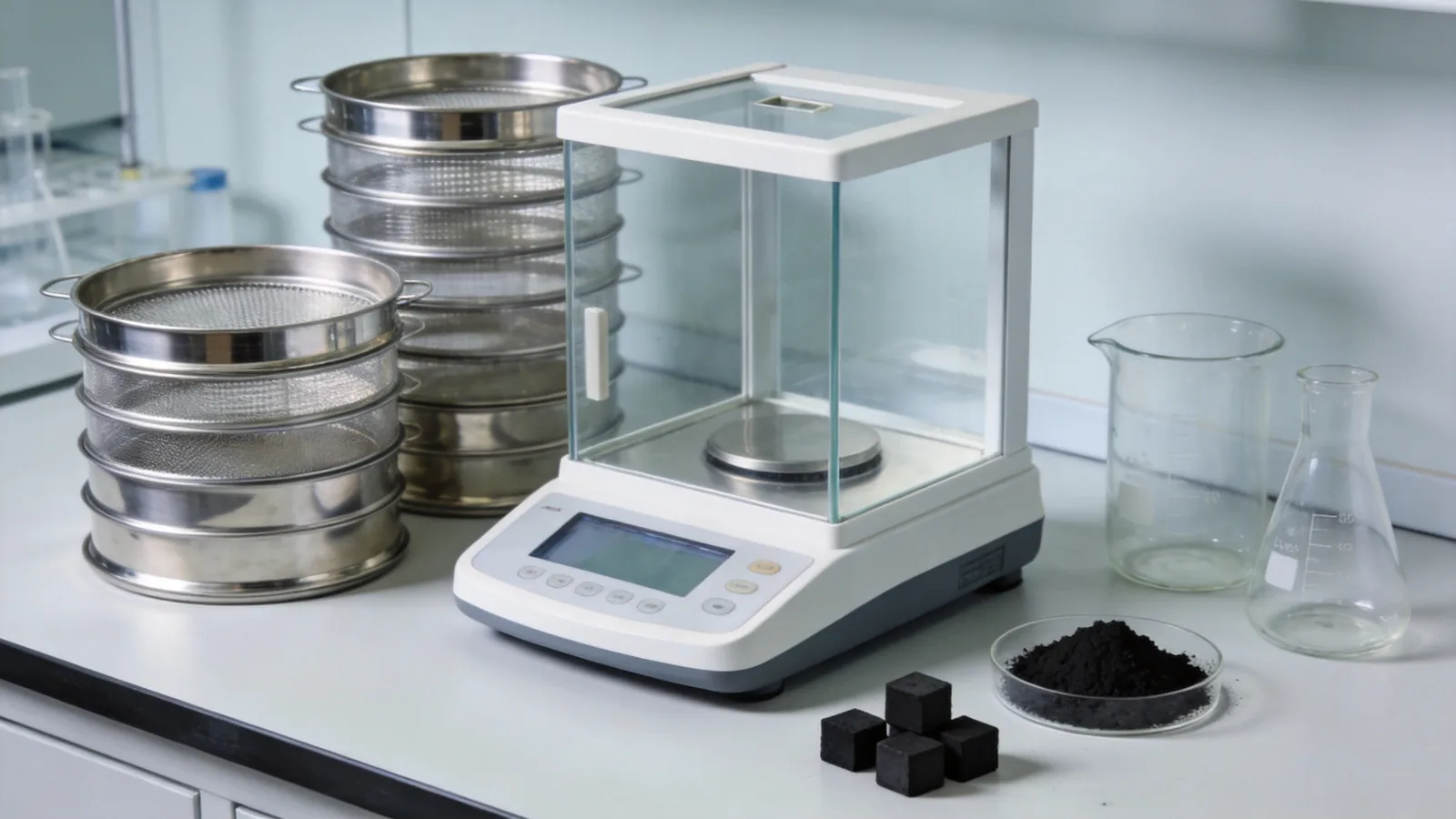
No fabricated results live here — no invented numbers, laboratories or report references. These pages explain what a test measures and how it is generally measured, so you can read a supplier's real certificate with context. Where a figure would normally appear, this site says data pending until a genuine, attributable report exists.
01 · Coverage
Charcoal quality is described by a small set of measurable properties. Four of them form the classic proximate analysis — moisture, volatile matter, ash and the fixed carbon calculated from them. Several more describe how a fuel actually performs in use: burning time, size tolerance and combustion emissions, plus density, calorific value, ignition time, breakage and odor.
Each methodology page follows the same structure: what it measures, why it matters, the typical measurement method, buyer relevance, limitations, and the data source.
What ash content means in charcoal, why inert mineral residue matters to buyers, and how it is generally measured under public standards such as ASTM D1762 and ISO 18122.
What moisture content means in charcoal, why water weight matters to buyers, and how it is generally measured under public standards such as ASTM D1762, ASTM D3173 and the ISO 18134 series.
What fixed carbon means in charcoal, why it is a calculated rather than measured parameter, and how it is derived from moisture, volatile matter and ash under public proximate-analysis methods.
What volatile matter means in charcoal, why it drives ignition and smoke behaviour, and how it is generally measured under public standards such as ASTM D1762, ASTM D3175 and ISO 18123.
What burning time means for charcoal performance, why it has no single universal standard, and how it is generally assessed under defined, configuration-specific test protocols.
What size tolerance and size grading mean for charcoal, why declared size classes require a checking method, and how size is generally characterised by sieve analysis and defined size classes.
What charcoal combustion emissions testing covers, which species are typically measured, and how they are assessed under controlled protocols such as ISO 19867-1 and standard sampling methods.
What bulk density means for charcoal, why it decides container loading and freight economics, and how it is generally measured under public methods such as ISO 17828 and container-fill procedures.
What gross calorific value means for charcoal, how it is measured by bomb calorimetry under public methods such as ASTM D5865 and ISO 18125, and how it relates to fixed carbon.
What ignition time means for charcoal, why it has no single universal standard, and how it is generally assessed under defined lighting conditions, including the natural versus quick-light distinction.
What breakage and mechanical durability mean for charcoal, why fines matter in transit and on arrival, and how they are generally assessed under tumbling and drop-test methods such as ISO 17831-1 and ASTM D440.
What odor means for charcoal quality, how feedstock purity and carbonisation drive it, why it is a sensory rather than a laboratory metric, and how it relates to volatile matter.
02 · Evidence
Reports are added to the database only when a real, attributable third-party or factory report exists — each with its laboratory, report number, test date, standard, result, unit and document reference, plus a verification status.
The reports database is intentionally empty at launch. It will populate as genuine reports are supplied and verified. There are no synthetic sample entries and no placeholder results.
03 · Network
Testing is one part of the wider platform. Specifications define the parameters; testing explains how they are measured; manufacturer and product records carry the verified data.